History · Ancestry · Culture · Heritage
The story of Tsenadegle is the story of ancestral land, family relationships and the wider history of the Eritrean highlands.
Tsenai, Akele and the families of Akele Guzai
Tsenadegle is traditionally associated with the Akele Guzai highlands, in the wider Segheneiti area of Eritrea. Its name appears in accounts of the region's traditional district and ancestral organization.
A genealogical tradition discussed in Kjetil Tronvoll's 1998 study Mai Weini: A Highland Village in Eritrea traces the ancestry of communities in Akele Guzai to an ancestral figure called Akele. One version identifies Tsenai, also written Tesenai, as a son or descendant of Akele and the founding ancestor associated with Tsenadegle. The same account associates Digna with Dekki Digna and Hadgai with Hadegti.
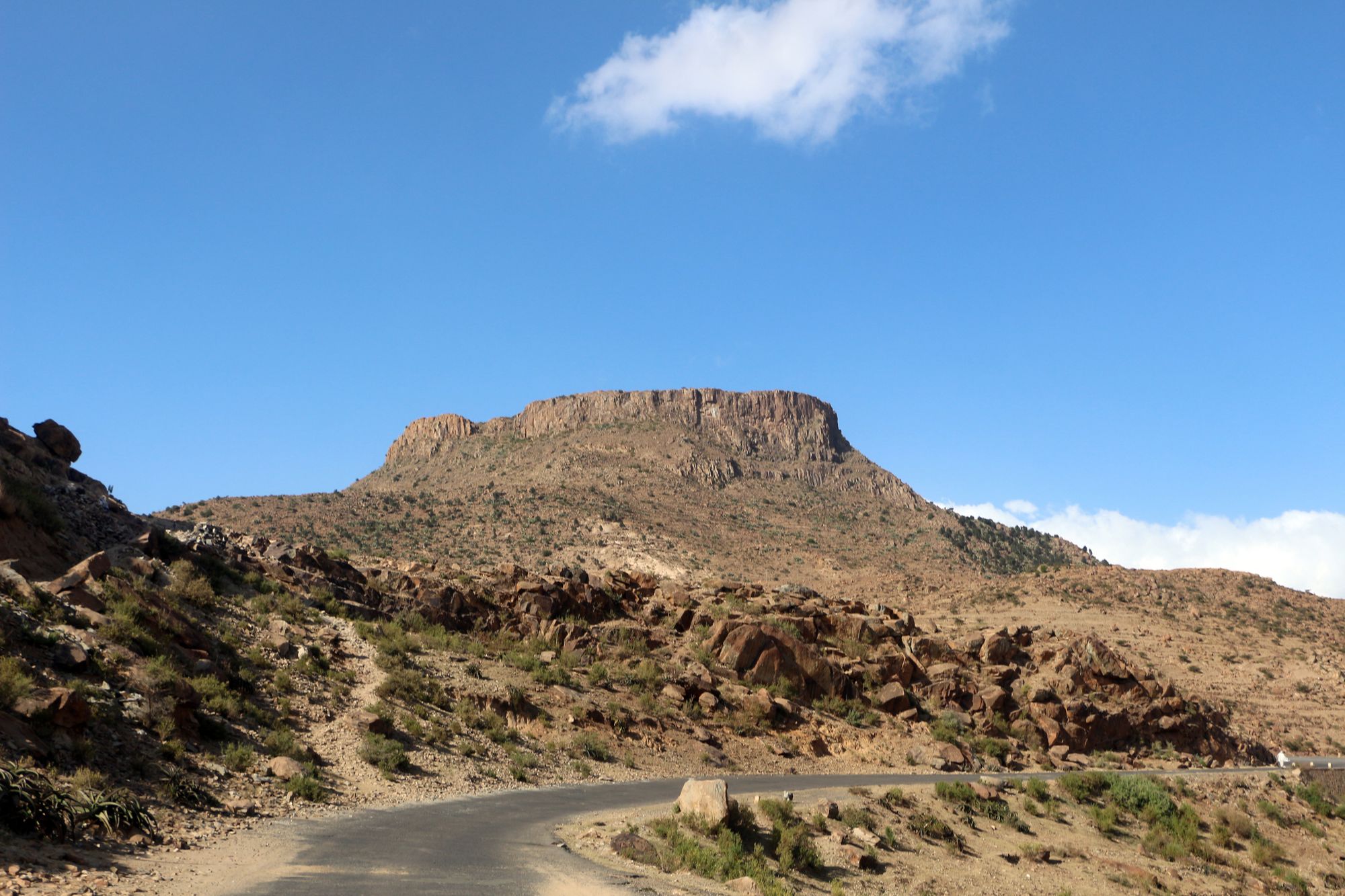
More than a place on the map
The identity of Tsenadegle is connected to ancestral land, family relationships, community organization, language and the history of the surrounding highlands. Further research into local manuscripts, family records and oral testimony can help clarify how these traditions developed and were transmitted.
Tsenadegle in the history of the highlands
This timeline places Tsenadegle within the wider history of Akele Guzai and Eritrea. Some entries concern neighbouring settlements or regional events rather than events exclusive to Tsenadegle.
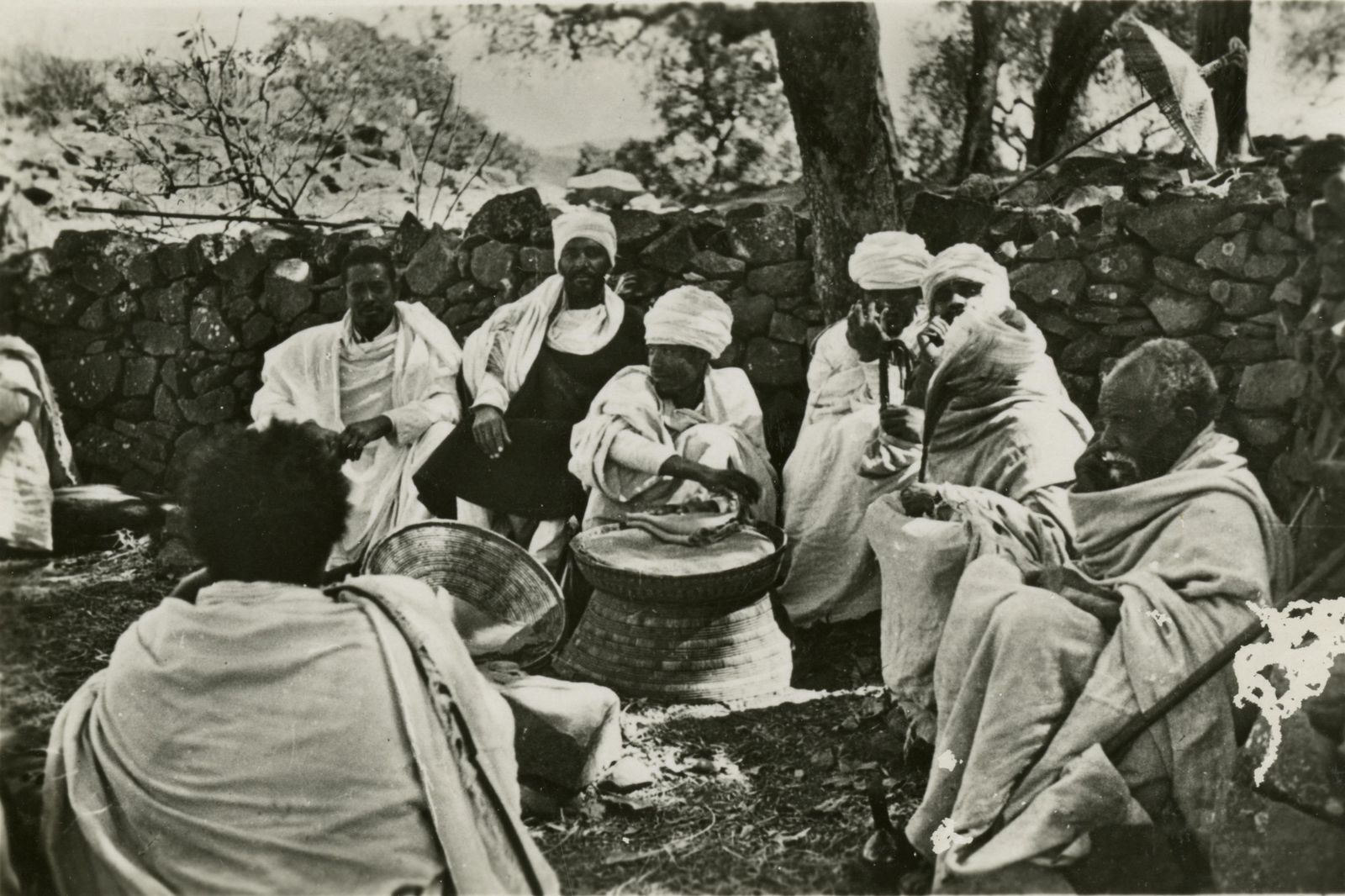
Traditional genealogies connect Tsenadegle with the ancestral history of Akele Guzai. Precise founding dates have not been established.
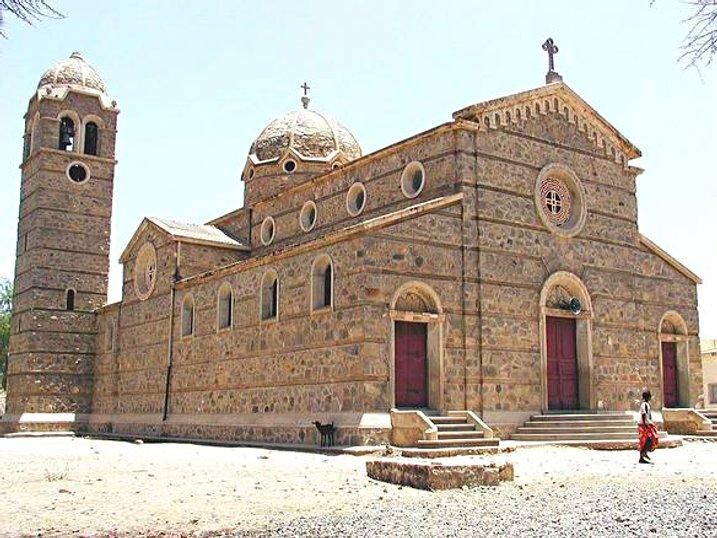
Historical accounts of Akrur record the blessing of a Catholic church foundation, part of the wider religious history of the surrounding highlands.
Akrur and nearby settlements experience Catholic missionary activity and associated social change.
Historical accounts report that Akrur and its church were destroyed during the military campaign of Kassa Mercha.
Eritrea is formally proclaimed an Italian colony.
Like many highland communities, Tsenadegle and its neighbours went through difficult periods of disagreement over farmland and grazing rights, including a serious confrontation with the neighbouring Tora community in 1946 that is still remembered with sorrow.
A reconciliation process between Tora and Tsenadegle, mediated by the Eritrean government, opens a new chapter of peace between neighbours.
Families with roots in Tsenadegle live across Eritrea and the world, including here in Canada, where our association keeps the community connected.
The Segheneiti highlands
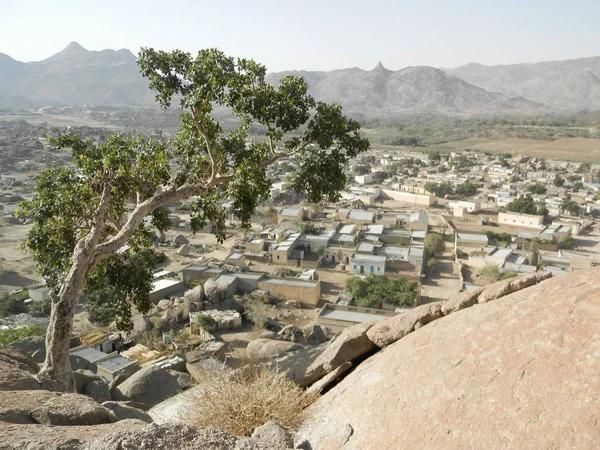
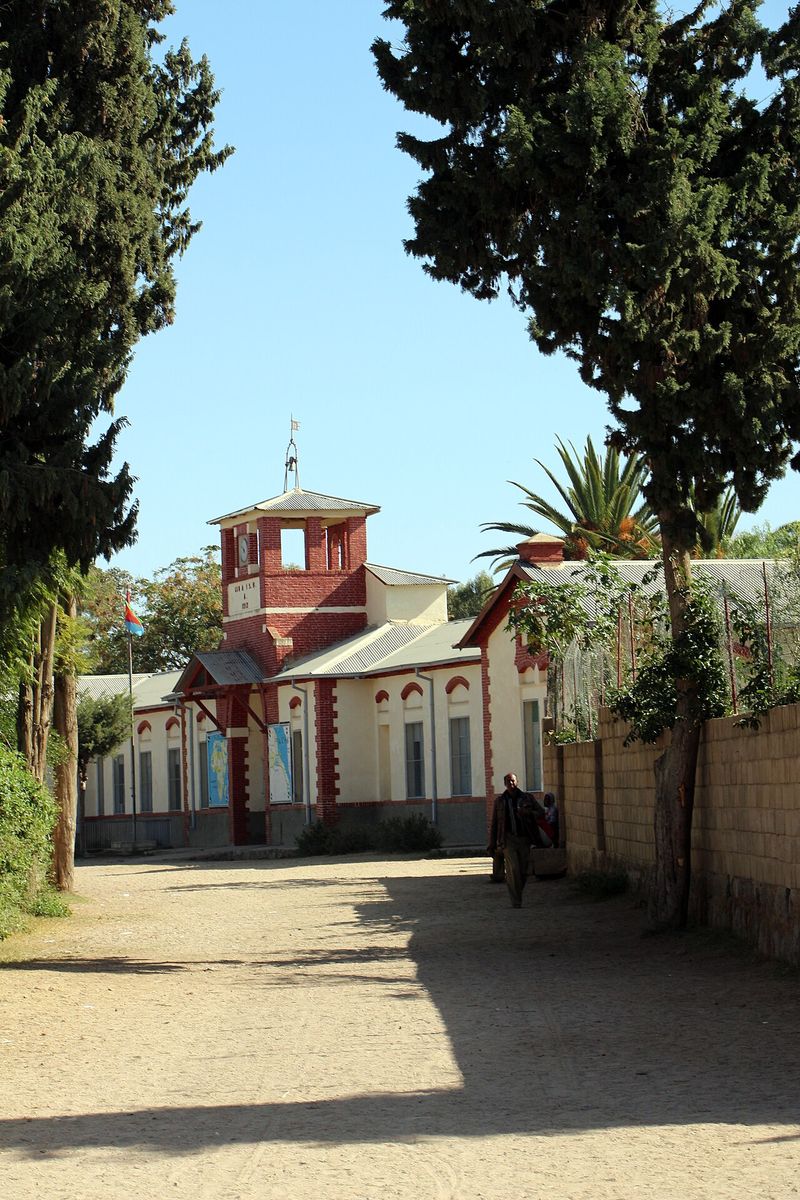
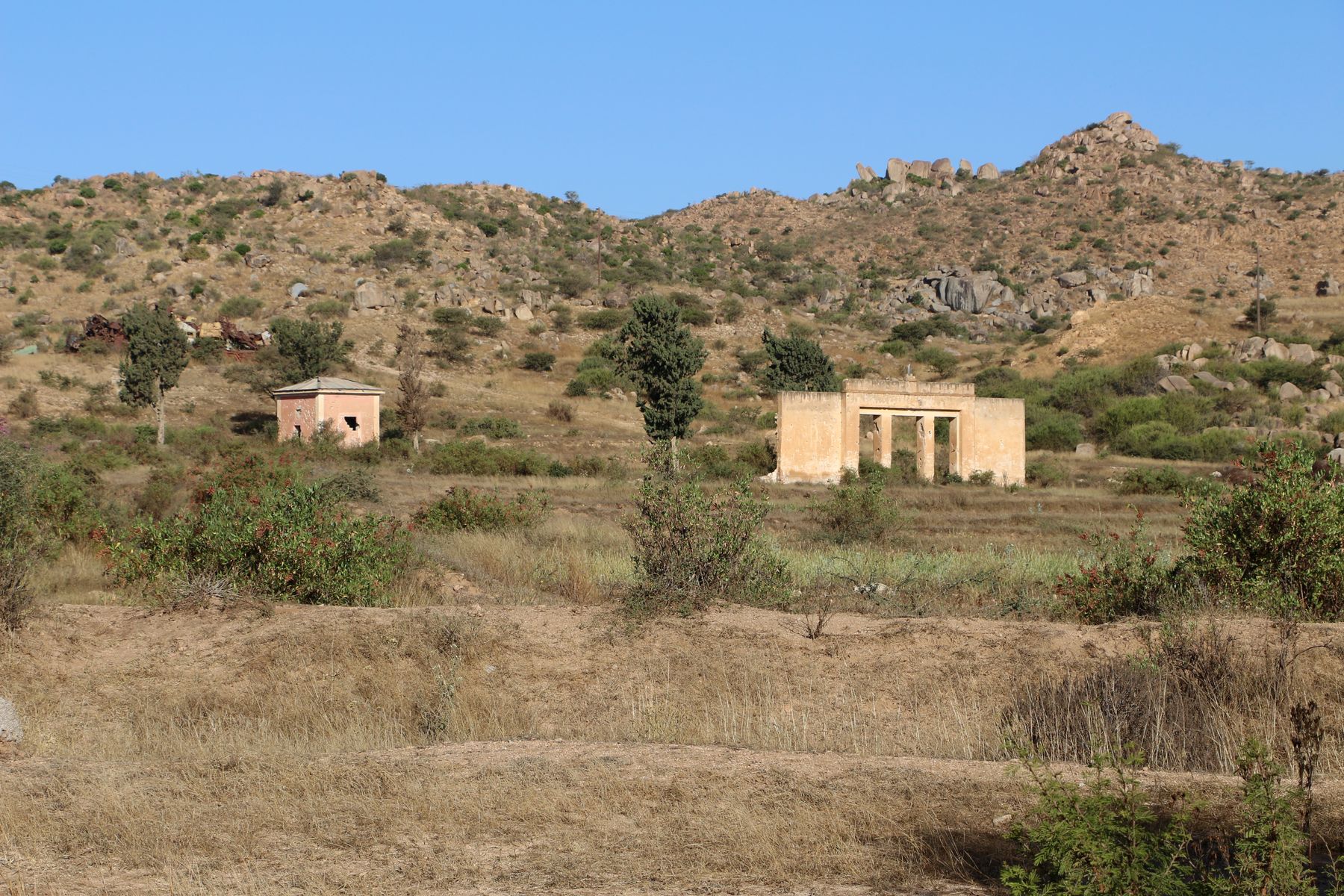
The Segheneiti highlands and their surrounding settlements form an important part of the geographical setting associated with Tsenadegle. Community discussions and geographical references mention several place names in this wider area.
The importance of ancestral land
Land has historically played a central role in the social and economic organization of Eritrean highland communities. Research on Akele Guzai describes traditional land systems, including diesa, in which village or community land was periodically allocated among eligible members. Land could be connected to family membership, inheritance, community responsibilities and belonging, as well as farming and grazing.
Family trees and genealogy
Genealogy is an important subject in the history of Tsenadegle. Traditional accounts connect the district's ancestry to Tsenai or Tesenai, within a wider Akele Guzai genealogy associated with Akele.
We are gathering family trees from our members. If you know your lineage, please share it with us.